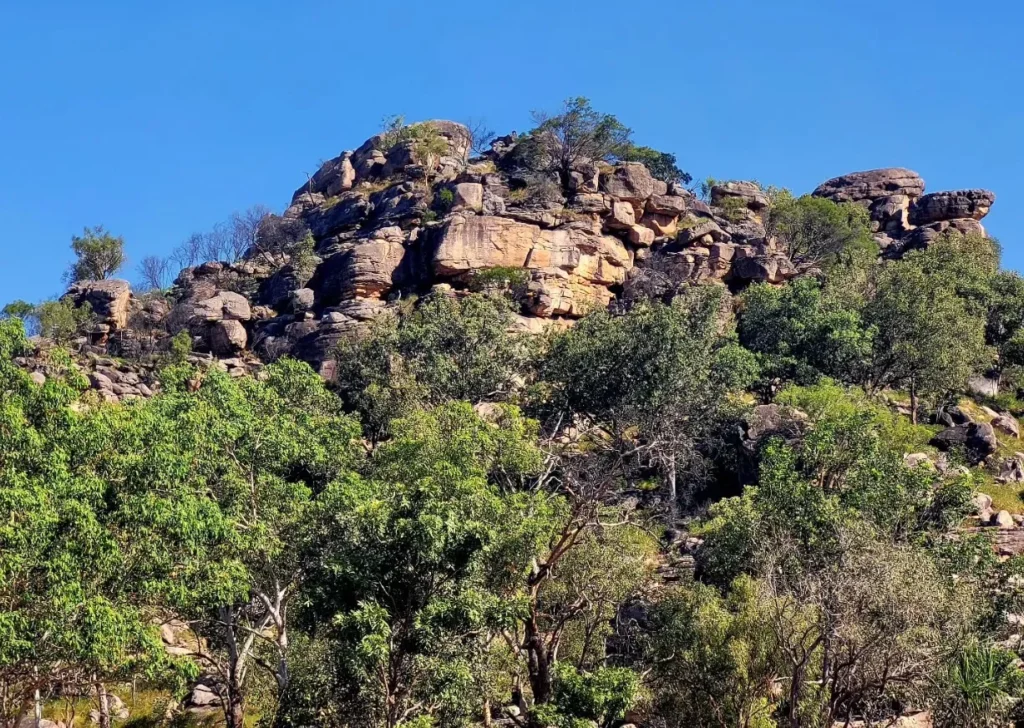
Table of Contents
ToggleGuide to Kakadu attractions
Kakadu National Park is a UNESCO World Heritage-listed megalopolis located 250 km east of Darwin, the capital of the Northern Territory (Northern Territory), a three-hour drive away.
It is said to cover a total area of approximately 1,975,500 hectares, about the size of Japan’s Shikoku Island. Its tropical climate makes it a paradise for wild fauna and flora, with mangrove swamps, wild birds, crocodiles and buffaloes.
Kakadu National Park is the number one tourist destination for both domestic and international visitors to Darwin.
The temperature in Darwin is around 30°C throughout the year. Still, the city is divided into wet and dry seasons, which means that during the wet season in Kakadu National Park (around November to March), some unpaved roads are closed and inaccessible in places.
However, during the wet season, waterfalls and lakes in Kakadu National Park receive more rainfall than during the dry season, allowing visitors to experience the powerful Kakadu.
Conversely, during the dry season (February to October), the weather is dry and pleasant, and the number of accessible places increases, so you can experience Kakadu National Park in different ways throughout the year, such as playing in the waterfalls and hiking.
Here are some must-see sights, tips on how to get there, recommended hotels, and optional tours to Kakadu National Park!

What is Kakadu?
Kakadu National Park is a vast UNESCO World Heritage Site located 250 km east of Darwin, the capital of the Northern Territory, a three-hour drive away. It is the largest national park in Australia.
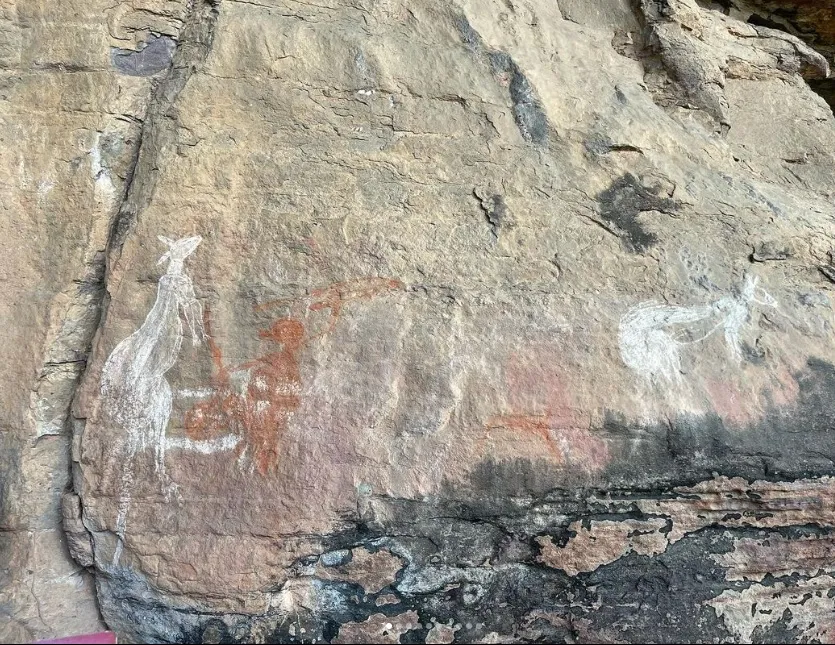
The vast Kakadu National Park shows evidence of having been inhabited by Aboriginal people, the indigenous people of the Australian continent, for more than 60,000 years. Their ancient, non-literate way of life can be seen in the murals that remain at two locations in the park.
First, at Ubirr, three mural paintings can be seen along a kilometre-long stretch. The murals of famous fishermen and sea turtles tell us that the site was once a floodplain created by the flooding of rivers during the rainy season and how these people, who had no writing and did not live in built-up houses, lived here.
The Ubirr mural paintings show turtles and fish painted using the relatively new ‘X-ray method’. From the lookout on a small hill, you can see the fantastic moorland of Arnhem Land, where the view at sunset is spectacular.
Another place to view the murals is Nourlangie Rock. Here, you can see three murals, also in three locations, over a distance of about 1.5 km. The mural of the Lightning Man (Namarrkon), who can manipulate lightning at will, is a must-see.
At the Wallajan Aboriginal Cultural Centre, you can learn about the culture and lifestyle of the region’s ancient Aboriginal people.
Another attraction in Kakadu National Park is the waterfalls and rivers, which look entirely different in different seasons. The Ganlom Waterfalls and Maguk Gorge offer the chance to relax in a secluded natural spa. In contrast, the Jim Jim and Twin Waterfalls provide water sports and bushwalking opportunities.7 During the wet season, the waterfalls are entirely different and more potent than during the dry season, making Kakadu National Park an unforgettable experience. Kakadu National Park offers something new to discover every time you visit.
The park is also home to some 10,000 crocodiles, and Yellow Water Cruises offers a chance to see crocodiles and many bird species in the wetlands.
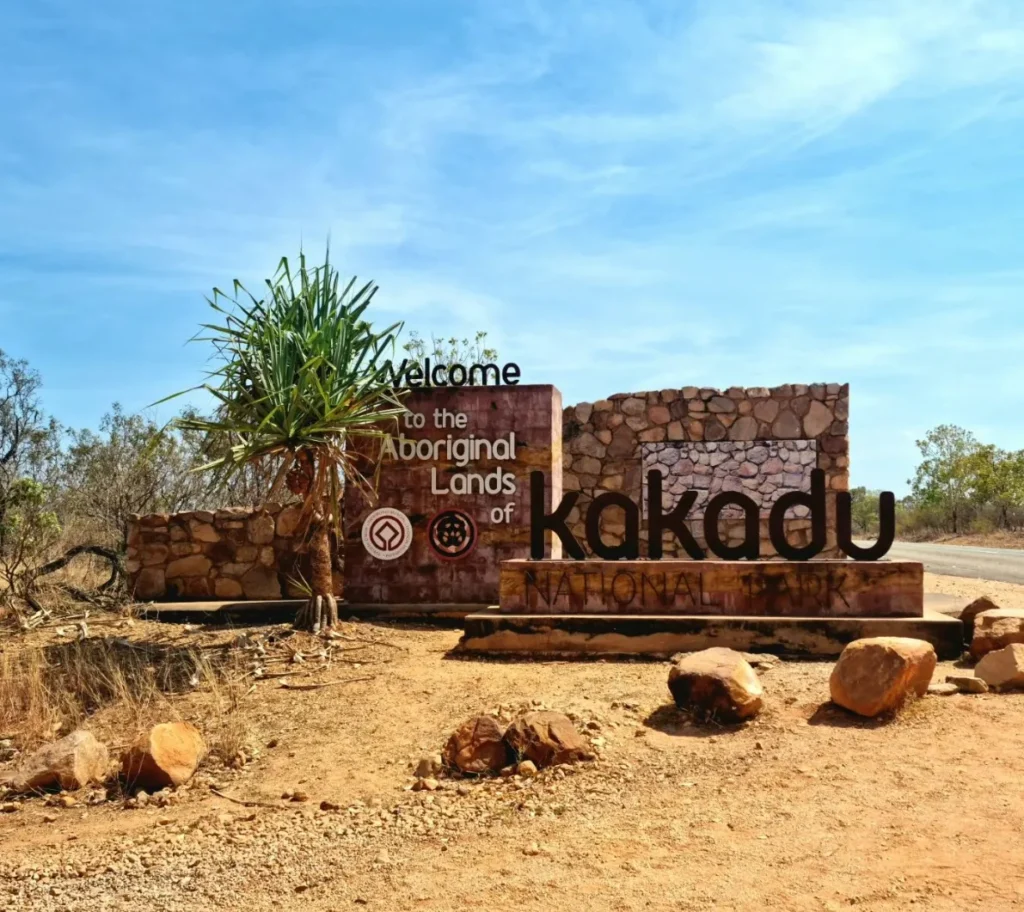
Getting to and from Kakadu
The nearest city to Kakadu National Park is Darwin, the capital of the Northern Territory.
Darwin is the 16th largest city in Australia, and the population of the Darwin metropolitan area, including the surrounding area, is about 150,000. Tourism is an integral part of Darwin’s industry, with 3.5 million domestic and 1.5 million international tourists visiting Darwin.
Darwin has many attractions, but Kakadu National Park, on the outskirts of Darwin, is the second most popular tourist destination in the Northern Territory after Ayers Rock.
Adelaide is usually visited by a connecting domestic flight from Sydney, Perth, or Cairns, where many flights to Darwin depart.
Kakadu National Park is 250 kilometres east of Darwin, so the journey usually takes three hours.
Kakadu National Park is usually visited on a guided tour from Darwin or on your own, for example, by hire car.
Join a tour of Kakadu National Park
The most common way to visit Kakadu National Park from Darwin is to join a Kakadu National Park Darwin optional Kakadu Tours departing from Darwin.
Basic tours to Kakadu National Park from Darwin can be broadly divided into day tours and overnight tours, with overnight tours being either camping-type or hotel accommodation-type tours.
Day tours are perfect for those with limited time, as they can quickly pinpoint Kakadu National Park for sightseeing, but if possible, join an overnight tour to take in the vastness of Kakadu National Park. If you are not a fan of camping tours, don’t worry!
The accommodation used for camping is in comfortable safari tents. Inside the permanent tents, beds, linen, pillows and towels are provided. Of course, I want to experience adventure! I want to sleep outside! If you prefer, you can also sleep under the stars with a sleeping bag in a ‘swag’, an Australian-style cot!