
TheIslandLive.com.au

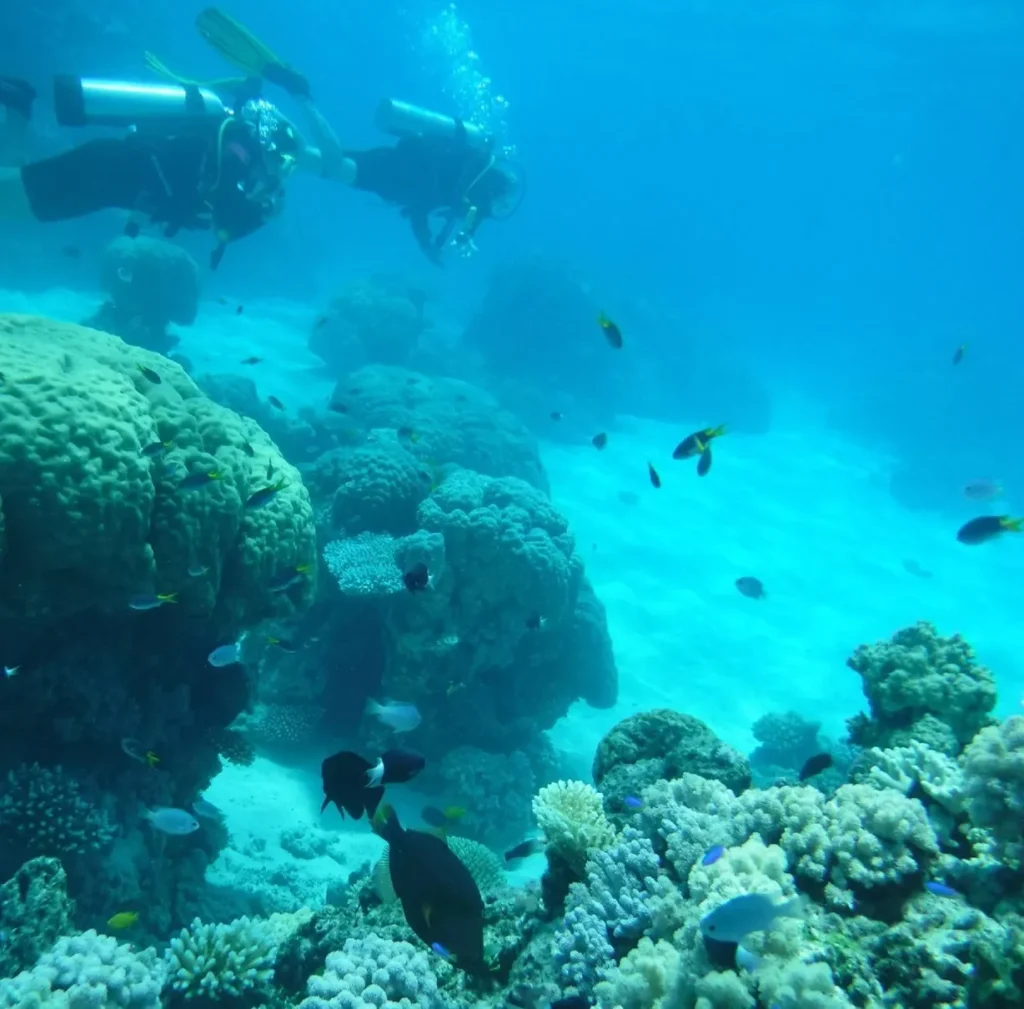
Have you always dreamed of a diving holiday on the Great Barrier Reef? Now you have this chance. The world’s largest coral reef is located in the north-east of Australia. More than 2900 reefs and 900 islands stretch over an incredible 2300 kilometres. With our advice on the best dive sites on the Great Barrier Reef, you’ll be well-supervised and well-prepared for your next diving holiday in Australia.

Diving holidays

Contents

Explore the depths by diving

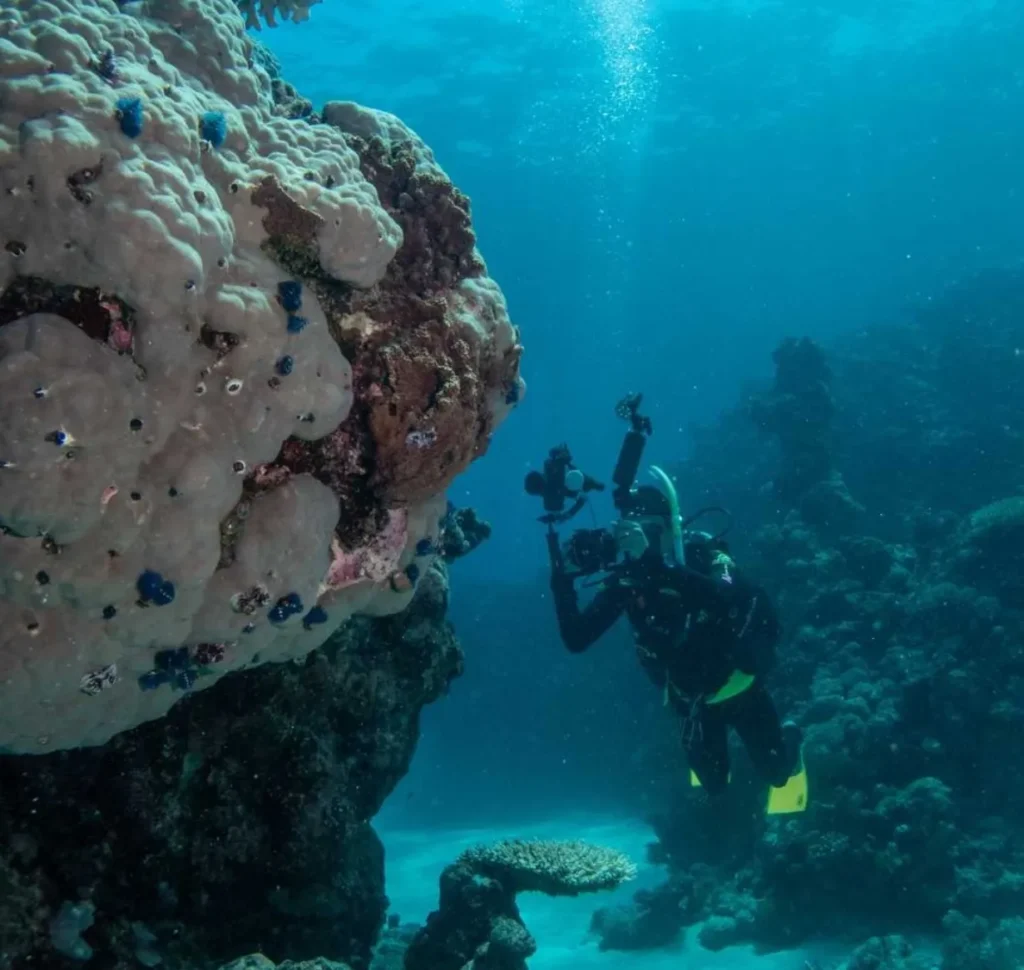
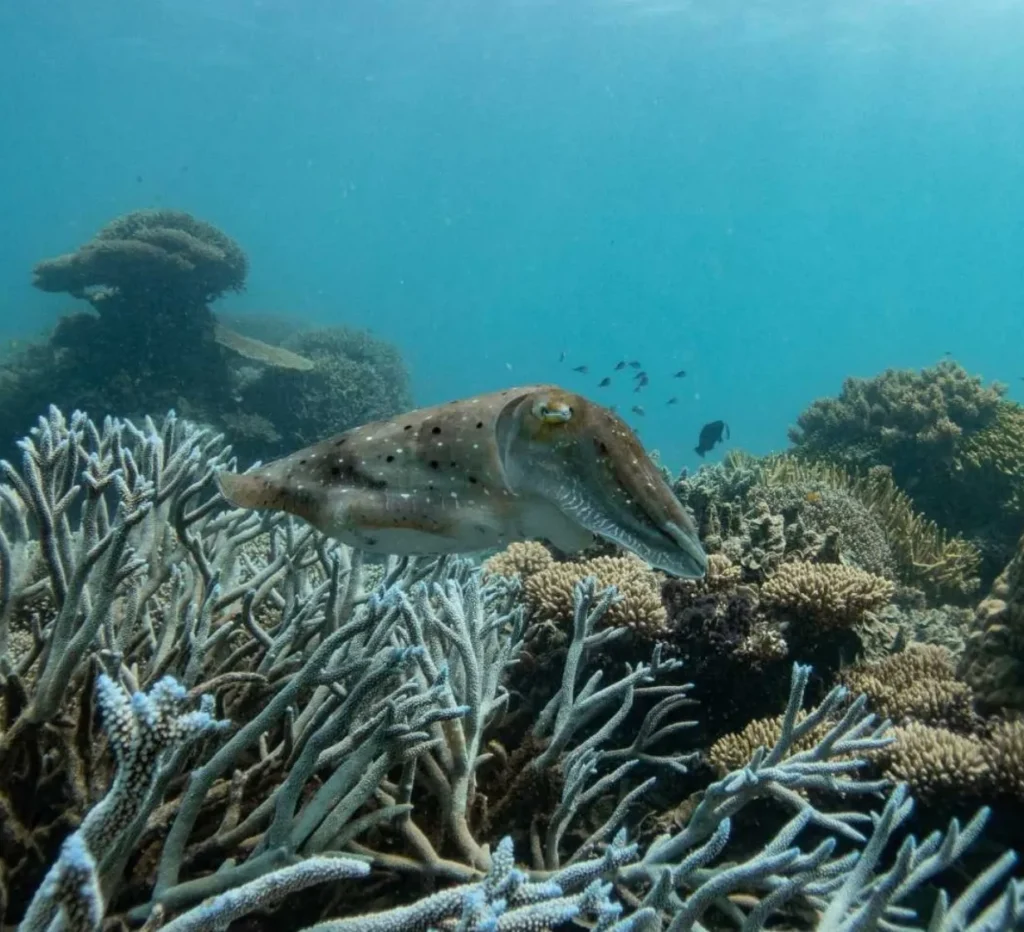
Crystal-clear waters, awe-inspiring underwater worlds, colourful marine life and endless expanses – you’ll see it all on a diving holiday. Whether you choose a relaxed holiday where you float in the water or you prefer a challenging professional dive, one thing is for sure: you will discover new worlds while diving.

Eight tips for beginners

For those who have never ventured into the fabulous world beneath the water’s surface, we offer some valuable tips for beginners, collected from actual divers, because there are a few “rules” to follow when exploring coral reefs and similar places.

Diving should not be underestimated. It is a competitive sport in which the body is exposed to extreme underwater conditions, such as pressure drops, and has to carry a lot of weight on its back. Nevertheless, it is possible to feel weightless underwater even with complete equipment, but don’t underestimate your efforts and conditions.

We have compiled the following useful and hopefully informative diving tips for you. 

Eight tips for beginners

2. Take care of your health while diving

When you’re on a diving holiday, you naturally want to spend as much time as possible in the water, sorry, underwater, and suddenly you get a nasty flu or sinus infection. Thoughts such as “It’s not that bad” and “But I’ve already paid for all my diving holidays” may quickly appear, but you should never risk your health and only dive when you are in perfect shape. Otherwise, serious problems can arise, for example, with pressure equalisation underwater. This can even lead to barotrauma. This is an injury caused by pressure, such as a ruptured lung, and no one wants their diving holiday to end badly. 

3. Be aware of your limits

Setting your limits in diving is the same as setting your limits regarding your health. You need to listen to yourself and know precisely what dives suit you. If your guide plans a dive that you think is too difficult for you, don’t hesitate to tell them. You risk overdoing it and getting into trouble. 

4. Learn to breathe correctly underwater

Even experienced divers can sometimes use the wrong breathing technique. You often have the unconscious impression that you are underwater and cannot breathe. This causes you to hold your breath by holding your exhalation. You hold your breath briefly, which can lead to more gas consumption than necessary. Therefore, remember that you can breathe just as normally underwater as you would on land with an oxygen tank and diving mask. 

6. Finding the right dive partner

It would be best if you found the right dive partner. Dive buddies look out for each other and help in case of problems. You need to be well coordinated and hear each other below the surface. Not only does this increase dive safety, but it also ensures that you always have a partner who can go with you on your diving holiday, and let’s be honest, you want to share the breathtaking scenery underwater with them, don’t you?

7. Drink plenty of water before diving

Many people don’t even realise it because they are underwater but sweat a lot during a dive. As we’ve already mentioned, diving is one of the most exhausting sports, so you need to drink enough water before the dive so you don’t get exhausted too quickly afterwards.

Interesting articles
relaxed wine tasting Coldstream
Yarra Valley Wineries That Don’t Feel Awkward If You’re Not a Wine Snob

Yarra Valley Wineries That Don’t Hit You With a Side of Pretension came to mind when I heard a bloke on a Yarra Valley Wine

READ  Travelling to Sydney - cultural metropolis Down Under
Read More »