

As I let the reef shelf glow in the morning sun, I start What Is the Great Barrier Reef? I’m reminded of the first time I flew over that crazy mosaic of blues and greens stretching across the Coral Sea. You don’t forget the moment you realise the Reef isn’t just one thing — it’s a massive coral reef system inside the Great Barrier Reef Marine Park. And the more of it I’ve explored over the years, the more I’ve learnt it’s part science lesson, part salt-soaked adventure and part wake-up call about how fragile the good stuff really is.
A Living Wonder
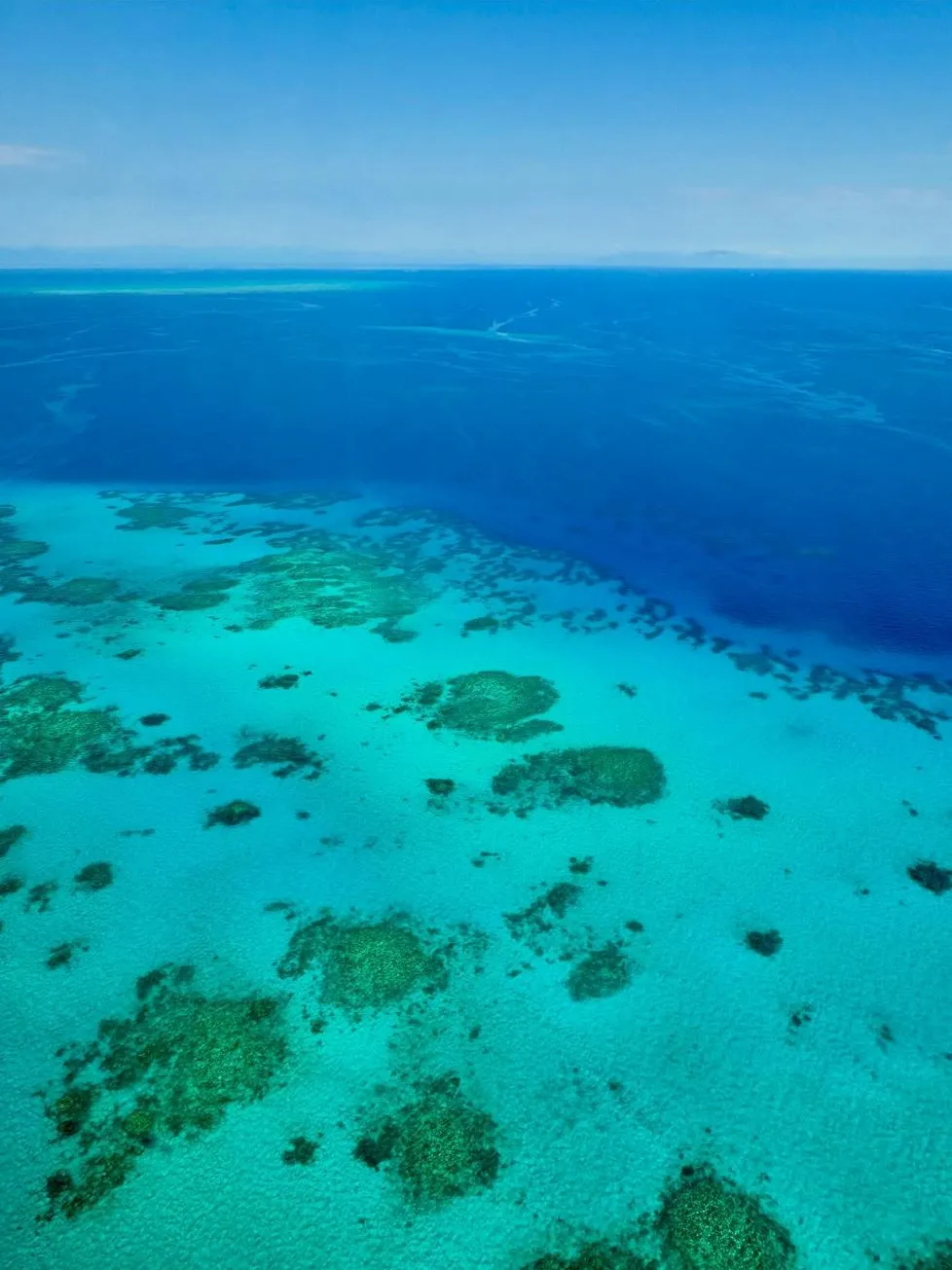
Before you throw on the snorkel and grab a tinnie to head out from Cairns or Airlie Beach, it helps to know what sort of giant you’re visiting. The Great Barrier Reef isn’t just big — it’s alive, it’s ancient, and it’s constantly changing. Every tide, every coral spawn, every passing manta ray keeps this place ticking.
The Reef was listed as a UNESCO World Heritage site back in 1981 because it’s one of the most incredible ecosystems on the planet. It has cultural significance to more than 70 Traditional Owner groups along Queensland’s coast and has been part of their Sea Country stories for thousands of years. When you stand on a coral cay at low tide with the wind flicking salt across your face, you realise the Reef is more than a holiday spot — it’s a heartbeat.
Understanding the Size and Scale (Because It’s Bonkers)
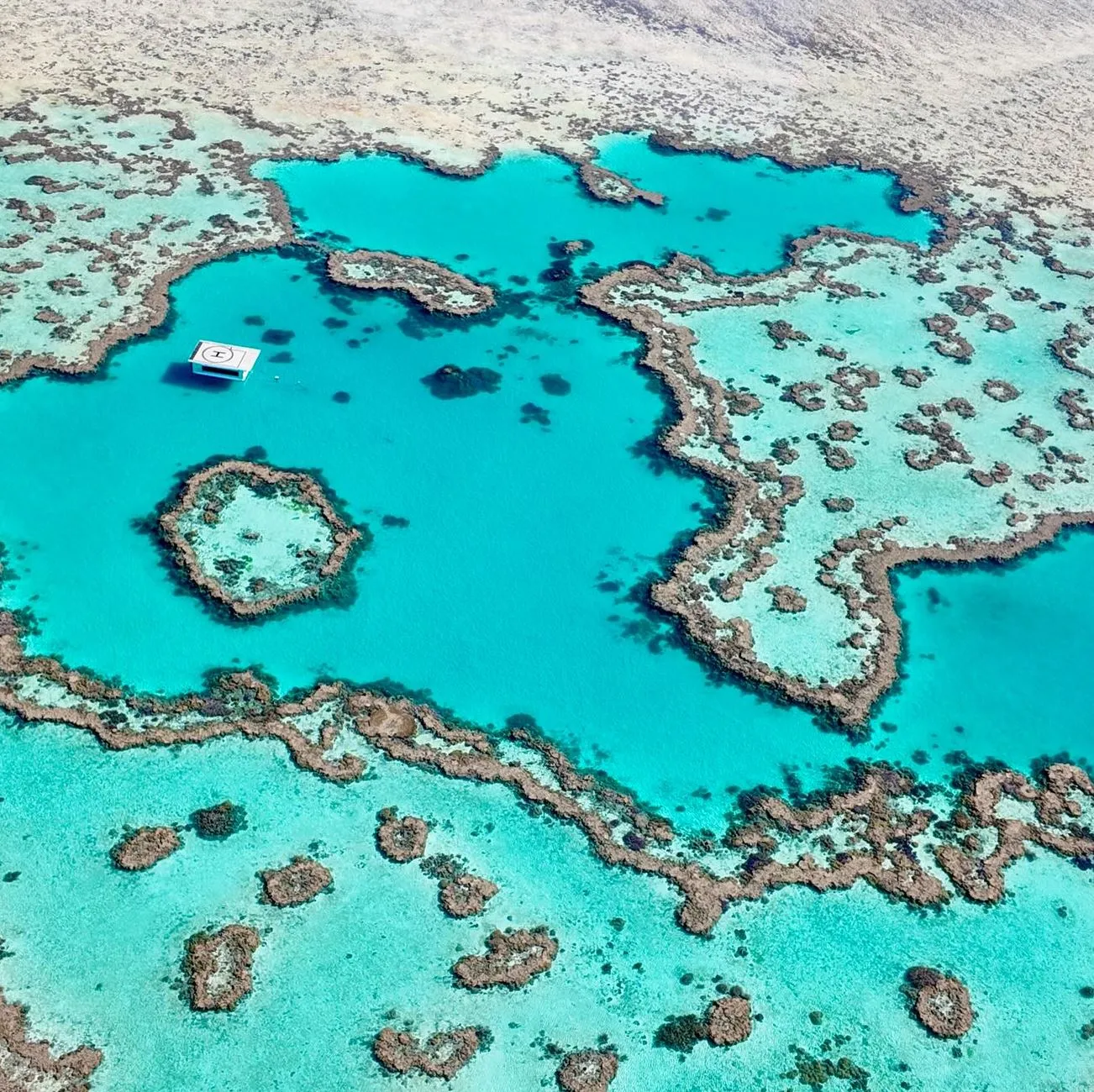
If you’ve ever tried to explain the Reef’s size to someone overseas, you’ll know they think you’re taking the piss. But no — the Reef really does run from the tip of Cape York all the way down to the Southern Great Barrier Reef near Bundaberg. That’s 2,300 kilometres of reefs, islands and coral cays.
Here’s a quick table to ground the numbers:
| Reef Metric | Statistical Snapshot |
|---|---|
| Total length | ~2,300 km |
| Total area | ~344,400 km² |
| Number of reefs | ~2,900 |
| Number of islands/cays | ~900 (including continental islands & coral cays) |
| Documented marine species | ~9,000 |
| Coral species | 600+ |
| Annual visitors | ~3 million |
The area is bigger than Italy and almost the size of Japan. And thanks to hubs like Cairns Airport, it’s one of the few globally significant marine ecosystems you can access without a week-long expedition.
How the Marine Park Compares to Other Protected Areas
The Great Barrier Reef Marine Park Authority (GBRMPA) manages one of the biggest marine parks in the world. Even after crisscrossing the Kimberley, the Pilbara and the Red Centre, I still think the Reef feels overwhelming in the best possible way.
Here’s how it stacks up against other large protected marine regions:
- Great Barrier Reef Marine Park (Australia): ~344,400 km²
- Papahānaumokuākea Marine National Monument (USA): ~1.5 million km²
- Ross Sea Marine Protected Area (Antarctica): ~1.55 million km²
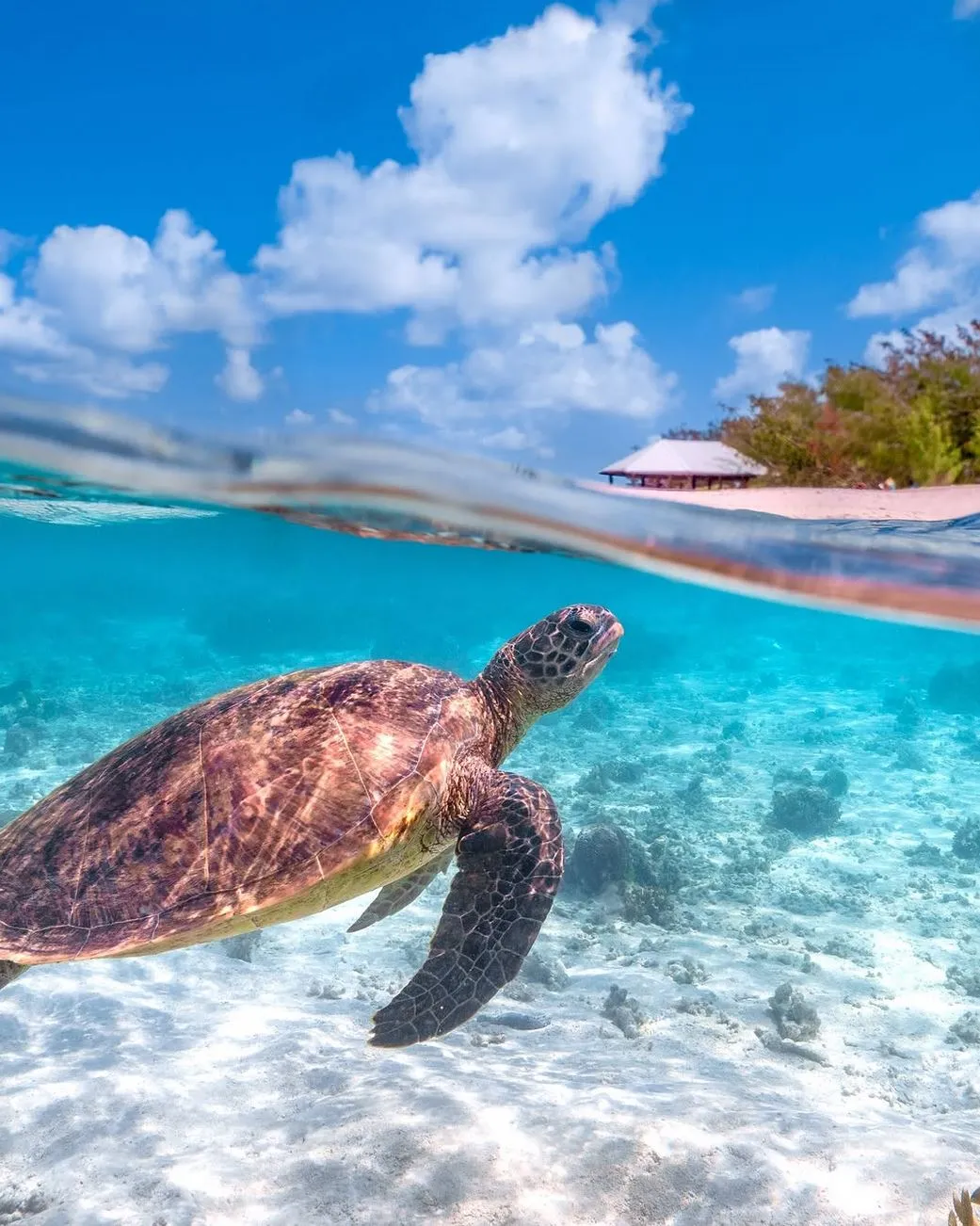
While the Reef isn’t the biggest protected area, it is the most famous — because it’s accessible, incredibly diverse and packed with places where you can step off the beach with a mask and fins and meet a turtle before breakfast.
Geology and Geography: The Skeleton Under the Sparkle
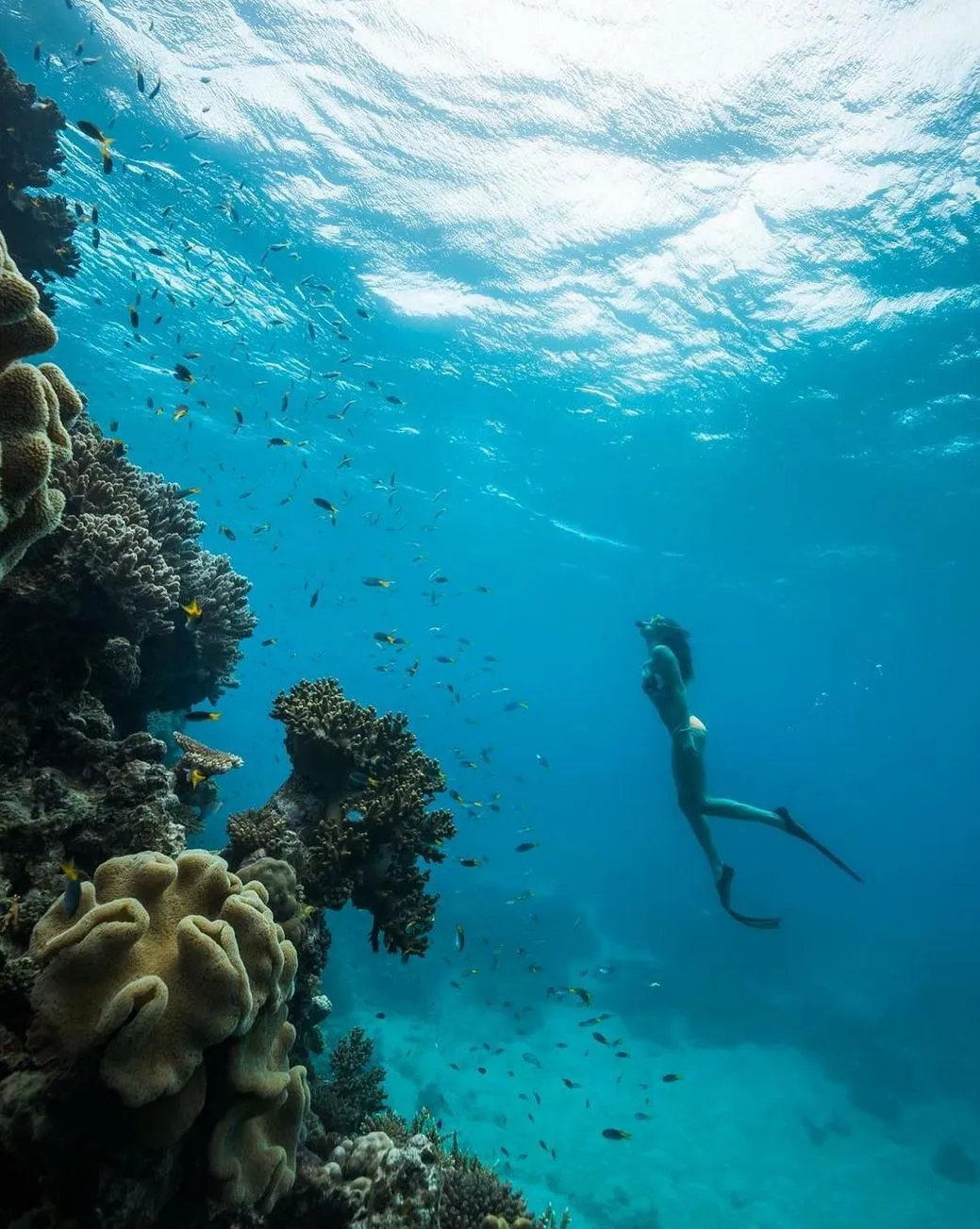
Most people come for colour — neon corals, giant clams and schools of reef fish darting like confetti. But underneath all that is an ancient limestone base built by coral polyps over millions of years.
Some things to know:
- The Reef sits on a continental shelf, not out in the deep ocean.
- Coral formations vary wildly between inner-shelf and outer-shelf regions.
- Continental islands like Hinchinbrook Island, Fitzroy Island and Lizard Island rise out of the Marine Park like weathered old sentinels.
- Some reefs are thousands of years old, with younger coral growing on top of older skeletons.
- When you swim around a bommie and feel that tiny temperature change, that’s the Reef’s structure shaping the water.
Animals and Plants: The Reef’s Wild Residents
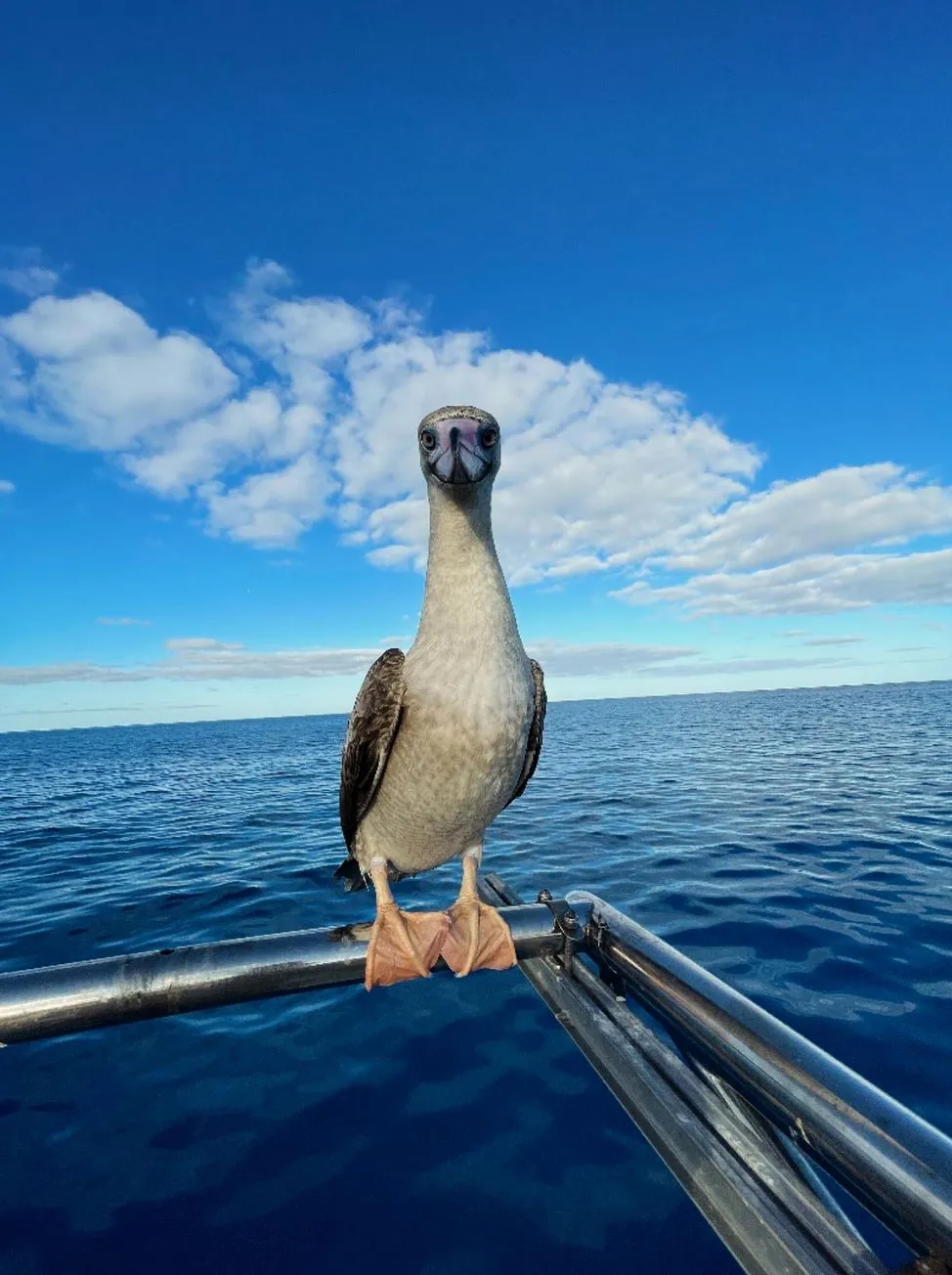
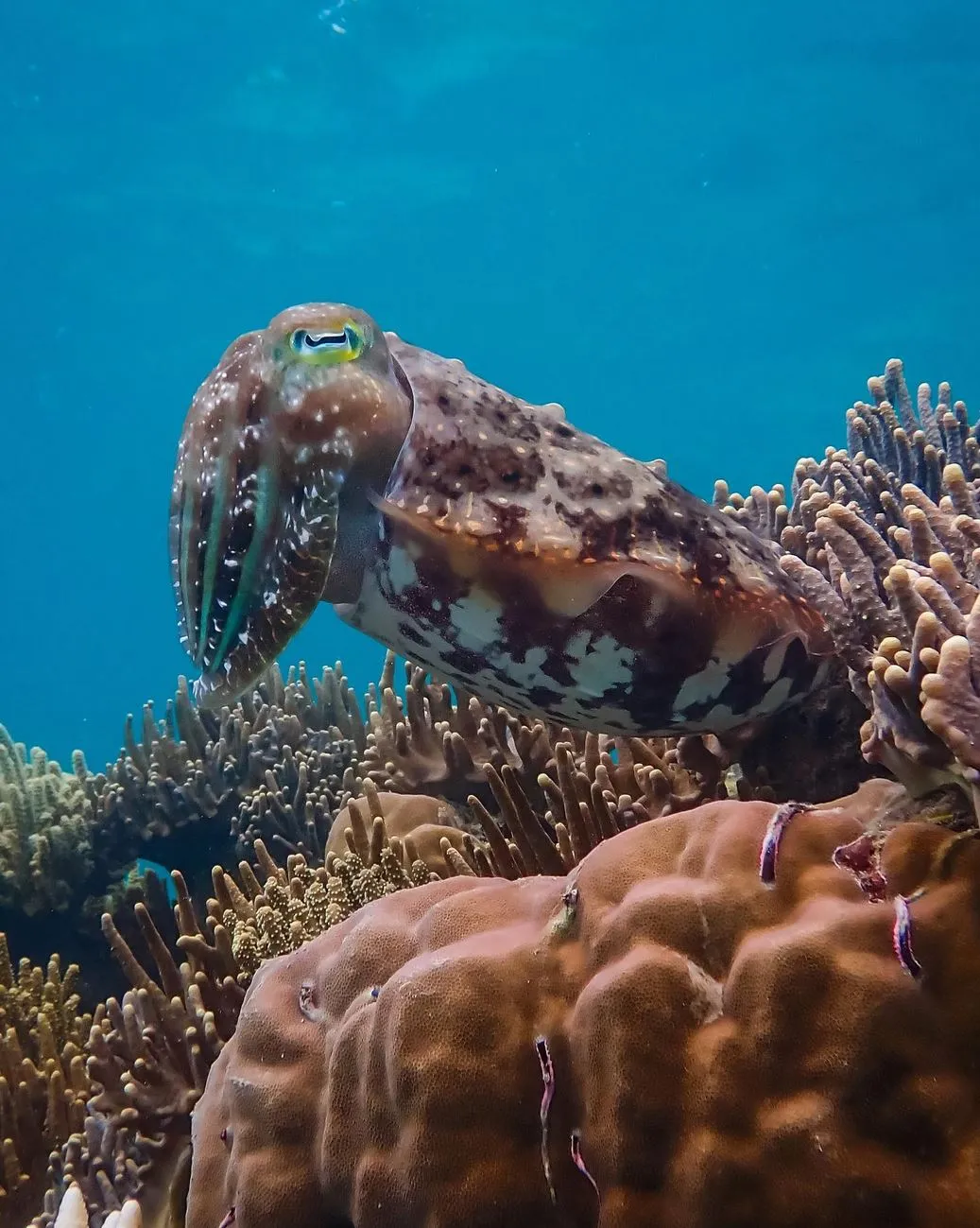
This is where the Reef really gets wild. Across the Great Barrier Reef regions, you’ll find:
- Over 1,500 species of fish
- Thousands of species of molluscs and species of sponges
- Six marine turtle species
- Rays, sharks, dugongs and the Great Eight favourites
- Seagrass meadows and mangrove forests
- A whole lot of plankton, algae and invertebrates
Keep an eye out for the infamous crown-of-thorns starfish, a natural species that becomes a problem when outbreaks get out of control due to poor Water Quality from sediment runoff and climate change.
And if you time it right, you might see coral spawning, when the whole Reef releases eggs and sperm in big clouds — one of the most amazing marine life encounters on the planet.
I remember the first time I flew over that crazy mosaic of blues and greens across the Coral Sea while guiding one of our early trips with Great Barrier Reef Tours.
Why the Reef Matters (More Than Most People Realise)
The Reef punches well above its weight for Australia and the planet. It supports:
- Biodiversity conservation across almost every marine category
- Tourism industries from Hamilton Island to the Whitsunday Islands
- Thousands of jobs, from ecotourism providers to boat crews
- Cultural connections for Traditional Owners
- Global sciences through organisations like the Australian Institute of Marine Science and WWF Oceans Practice
It’s also where programs like the Reef 2050 Plan, Water Quality Improvement Plans, “Net-Free Reef,” and trial projects such as Regenerative Saltwater aim to protect marine populations, improve water qualityRegenerative Saltwater, and boost resilience across the ecosystem.
Current Reef Health: The Honest Version
No sugar-coating it — the Reef is under pressure. Years of scientific reports and heat stress surveys show a system dealing with:
- Marine heatwaves and bleaching
- Cyclone damage
- Crown-of-thorns outbreaks
- Water quality issues from land run-off
But — the Reef is still living, changing, and recovering in many areas.
Marine scientists, Reef Biosearch teams, and Master Reef Guides are constantly monitoring conditions, often supporting government reporting through State Party Reports, the World Heritage Committee, and the Reactive Monitoring Mission. Their field notes help guide policy and keep restoration grounded in evidence rather than politics.
Different regions recover at different rates. Some corals bounce back quickly after bleaching; others take years.
The takeaway?
The Reef is under stress — but not lost.
Reef Facts to Pull Out at the Pub
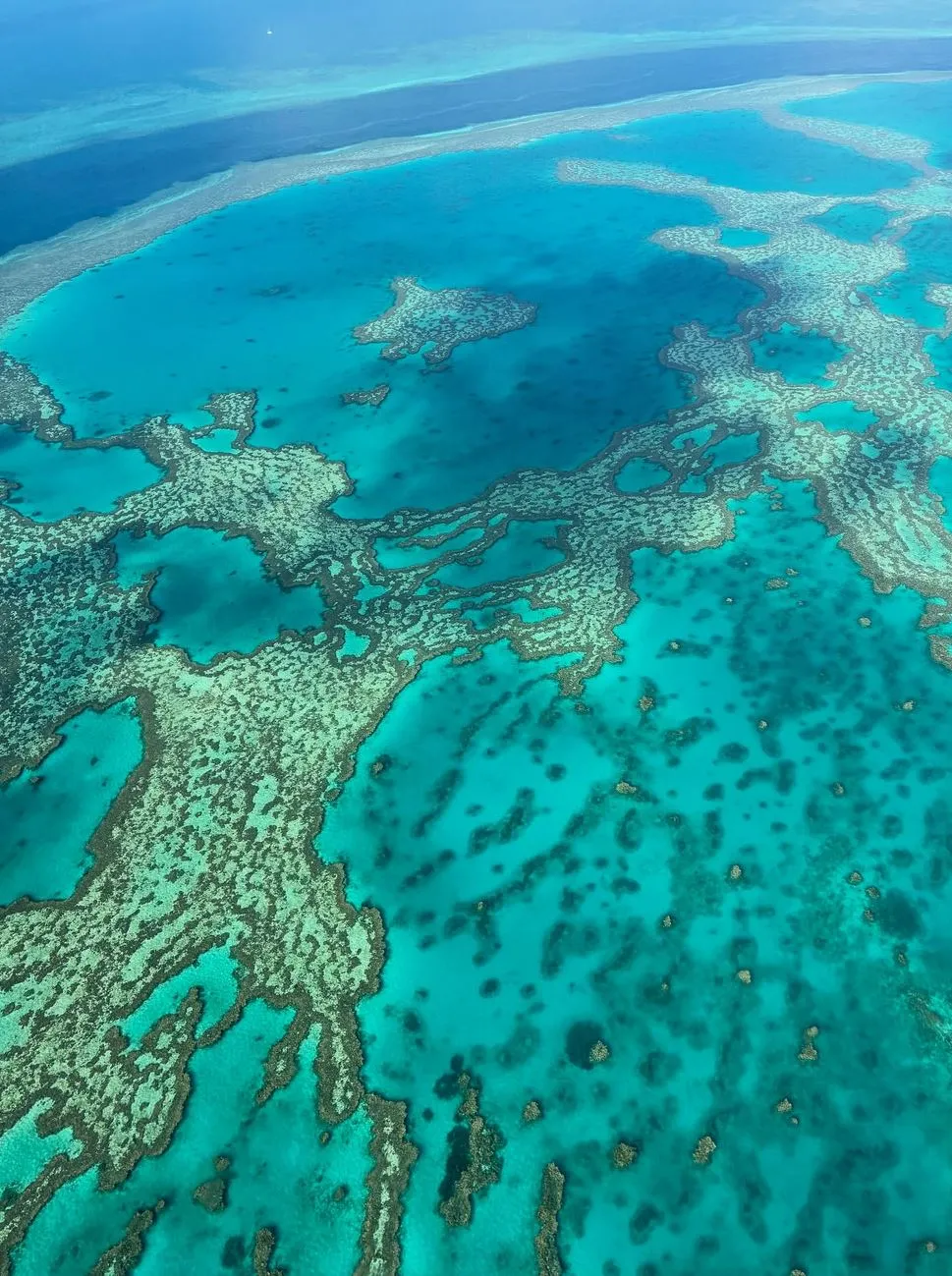
- The Reef is visible from space.
- Coral is an animal, not a plant.
- Coral reef protection in no-take zones significantly boosts biodiversity.
- Many reefs regrow after disturbance — if conditions improve.
- A glass-bottomed boat gives an underrated view of the action below.
- Helicopter rides and helicopter tours offer one of the best ways to understand its sheer scale.
- Some high-end tours operate from private island resorts, but the best stories often come from bare feet, back decks, and a mask that leaks a little.
FAQ
Can you visit the Great Barrier Reef all year round?
Yes — but conditions vary between seasons. The dry months are calmer; the wet season brings humidity, rain and occasional tropical weather.
Is the Reef safe for kids?
Yes. Islands like Lady Elliot and Fitzroy Island offer shallow, protected snorkelling perfect for younger travellers.
Is the Reef dying?
Parts of the coral reef are stressed by coral bleaching, but many reefs are recovering, and others are vibrant. It’s a complex picture — not a funeral.
Do I need to be a good swimmer to experience the Reef?
No — options like pontoons, semi-submersibles and glass-bottomed boat viewing let anyone take part.
How do I choose a responsible tour operator?
Look for companies endorsed by Master Reef Guides or operating under GBRMPA regulations, especially those that support fisheries management, research initiatives, or low-impact practices.