

Ever wondered how much it costs to clean one solar panel and if it’s really worth getting the pros in? You’re not alone. Many Melbourne homeowners call us after trying a DIY rinse that ends up streaky, scratched, or worse — still covered in grime. Here’s the honest truth: Solar panel cleaning and maintenance is part science, part safety, and part saving yourself from a dodgy day on the roof.
Let’s break down what really goes into the price — from system size and access height to whether you’re booking a one-off job or joining a regular maintenance plan.
Cleaning Costs Explained
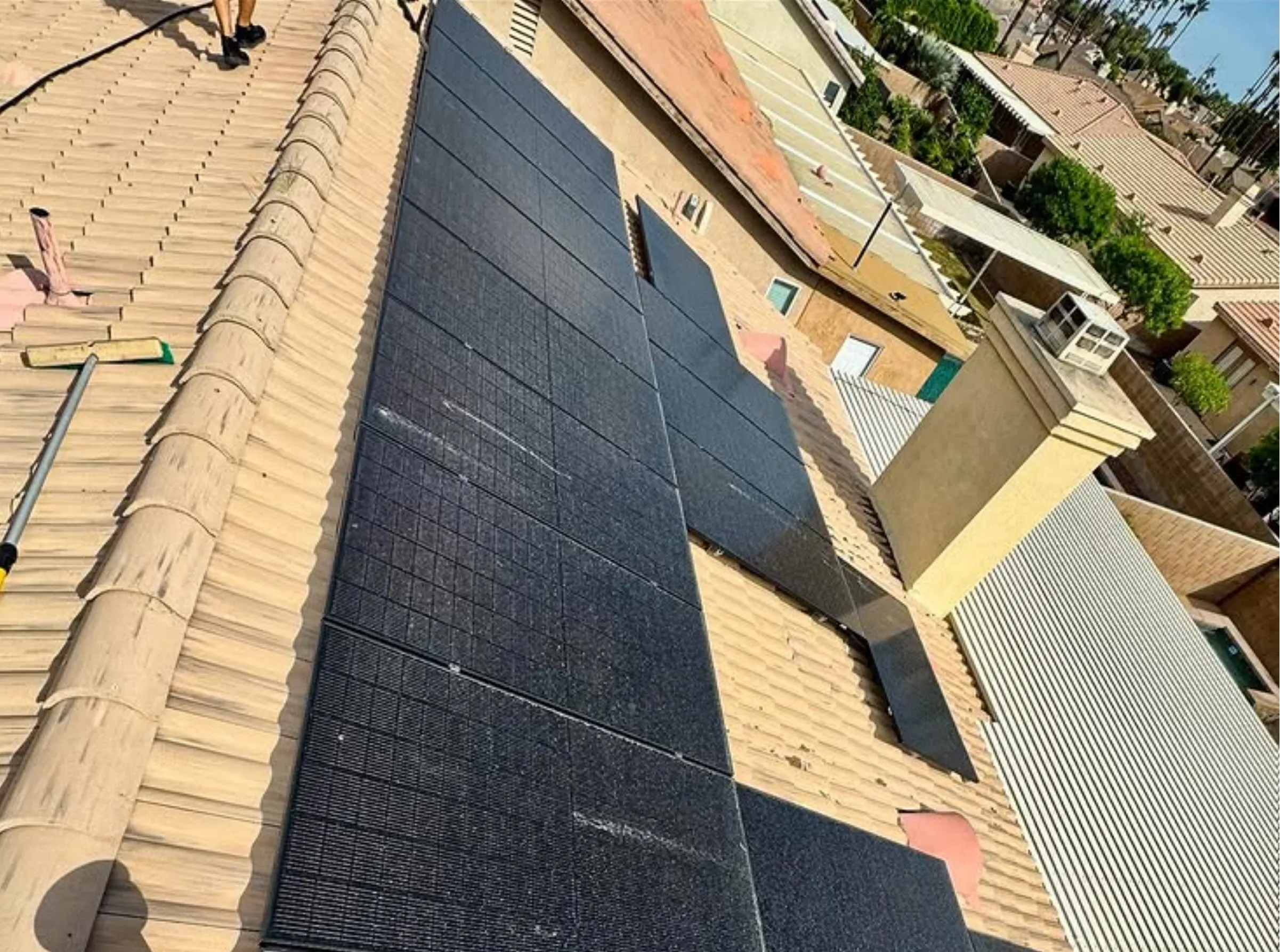
Most Aussies are surprised to learn that a single solar panel clean costs $6 to $15 per panel, depending on where you live, roof angle and how long it’s been since your last clean. The national average is $10 per panel.
Now, before you grab the garden hose — remember that’s just the surface price. The real value is what you’re preventing: power loss, panel damage and safety risks. Dirty solar panel modules can lose up to 25% of their energy output, and in dusty or coastal areas, even more.
What Affects Cleaning Cost
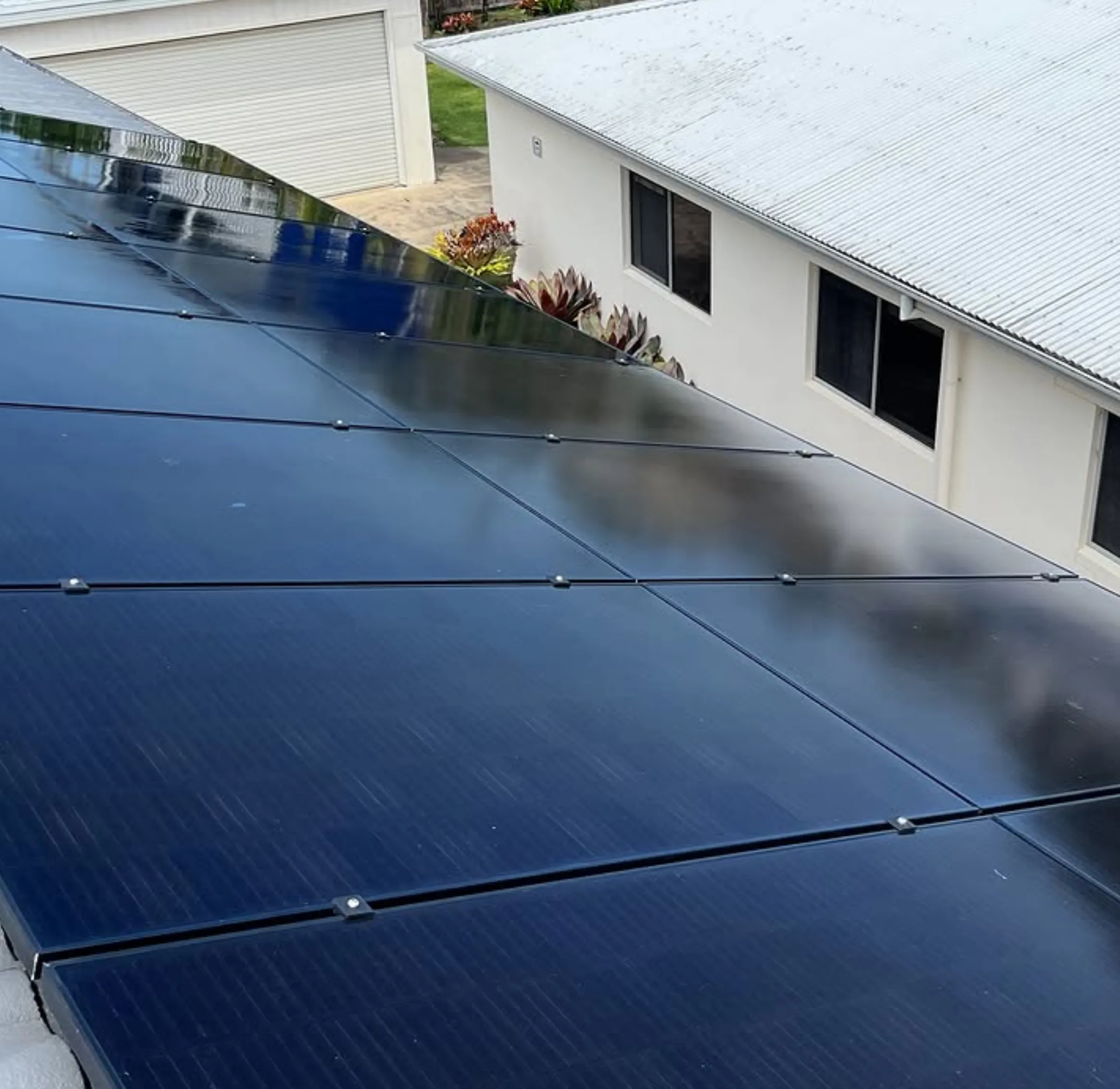
Like no two roofs are the same, no two cleaning jobs are priced alike. The main things that drive your per-panel cost are:
- Access and Height: Single-storey homes are the cheapest, while steep or double-storey roofs need special equipment and extra safety gear.
- Type of Dirt: Bird and animal droppings, leaf litter, and built-up dirt and grime take longer to remove.
- Water Quality: Hard water leaves marks, so pros use a solar panel cleaning solution or a deionised water mixture.
- System Layout: Split or awkward solar panel installations mean extra setup time.
- Frequency: Regular solar panel maintenance helps you avoid paying more later for heavy build-up.
From our experience at Window Cleaning Melbourne Crew, coastal suburbs like Brighton and Altona get extra salt spray, while inland areas like Melton get red dust — both mean more frequent washing to keep solar energy output at peak performance.
Typical Price Ranges By System Size
When budgeting for a solar panel system, a good place to start is by considering system size. Most homes in Victoria have 6.6 kW solar panel systems, which are equivalent to about 15 to 18 panels — a pretty standard setup.
| System Size | Estimated Total Cost |
|---|---|
| 6 Panels (small system) | $90–$120 |
| 10–15 Panels (standard setup) | $120–$160 (higher for double-storey roofs) |
| 20–30+ Panels (large or complex) | $180–$300 (depends on roof angles or split layout) |
If you’re looking to set up a solar panel system for a commercial building like a school or warehouse, the quotes are usually per panel and tend to be on the lower end — around $5–$7 — because of the scale.
Just a tip: if someone gives you a quote of ‘$200 flat, no matter how big your system’, that’s a good sign that you should be looking elsewhere. Professional solar panel installers will take into account access, system design and safety when they give you a quote – not just make a guess.
DIY Cleaning Versus Professional Service
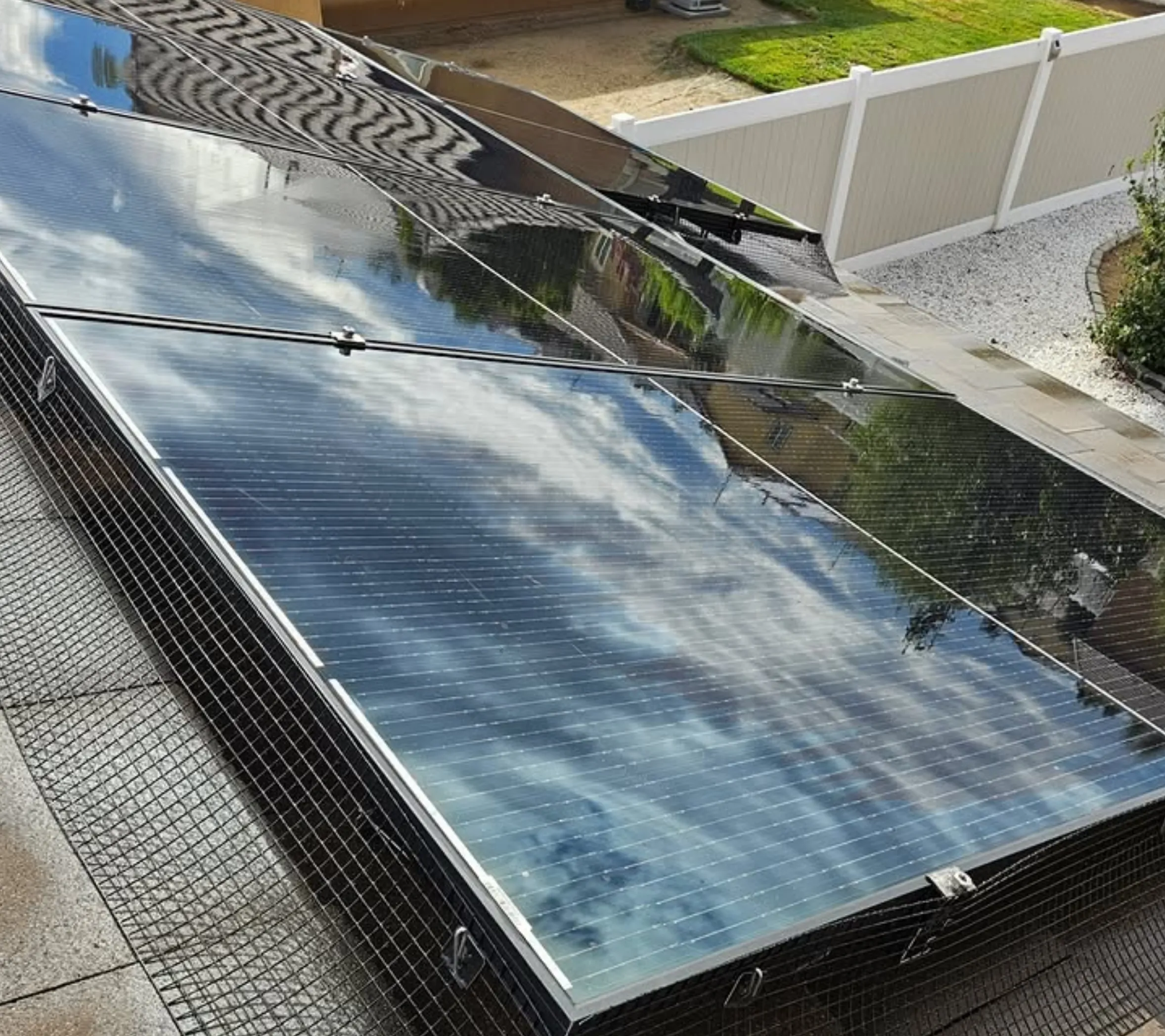
Yeah, you can clean your solar panels yourself – but do you really want to? If you do try to clean them yourself, be careful not to damage the solar panel surface or frame with a rough brush or the wrong detergent.
| Method | Pros | Cons |
|---|---|---|
| DIY Clean | Cheap, flexible timing | Risk of falling, voiding warranties, poor results, or damage |
| Professional Clean | Safe, insured, uses qualified professionals and proper tools | Slightly higher upfront cost but better long-term savings |
A proper professional follows the manufacturer’s instructions for cleaning solar panels — we don’t want to risk any corrosion or damage to those coatings here at Window Cleaning Melbourne Crew — so we use nothing but the softest brushes, telescope poles and water that’s been thoroughly purified — and none of that harsh dish soap or nasty chemicals that could cause real damage to your panels.
We also take the time to switch off your system’s DC disconnect before we get to cleaning, so we’re keeping everything nice and safe, in line with Australian safety standards.
Breaking Down a Pro Clean
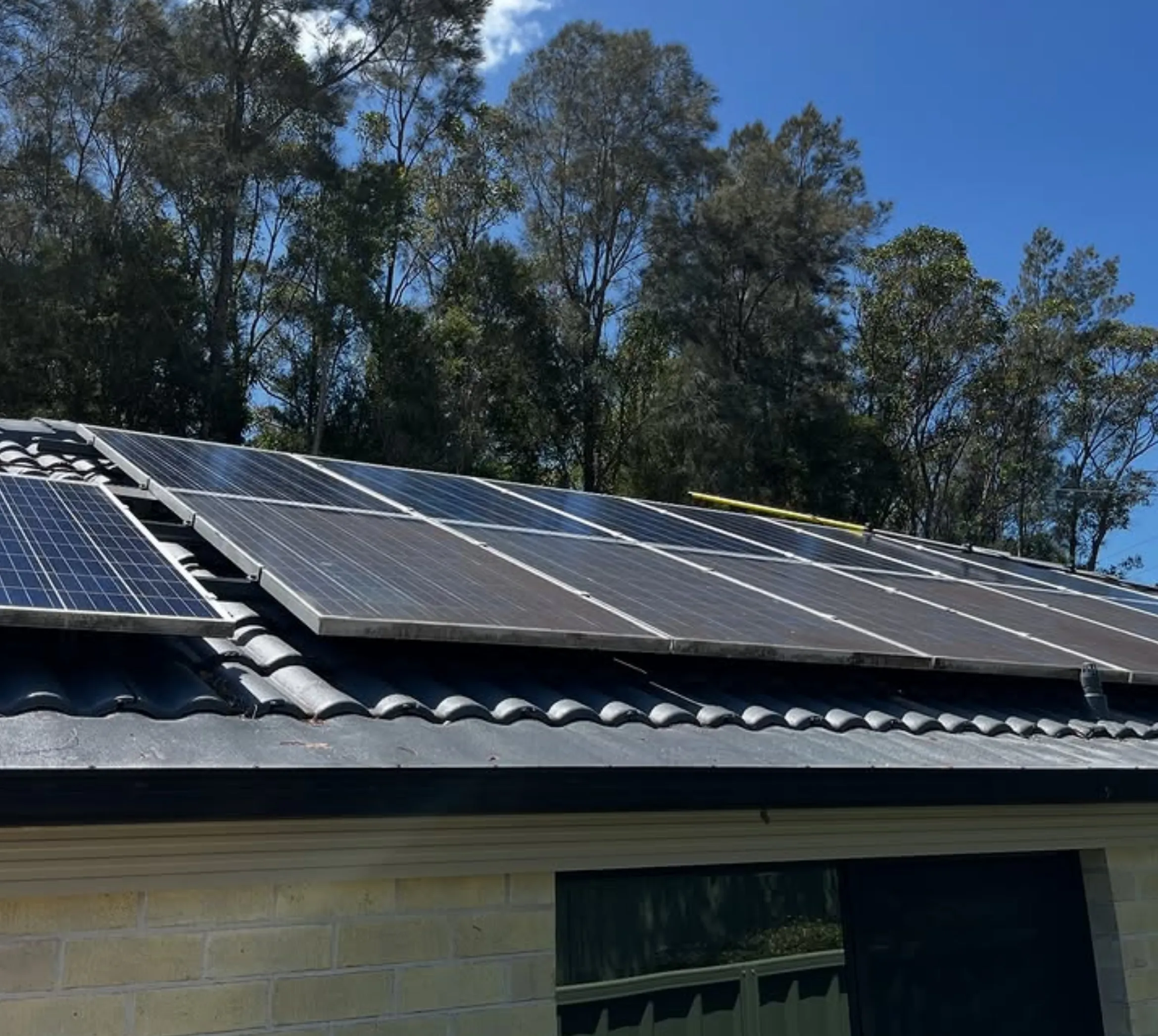
When you book in with us, you’re paying for a really thorough clean and check on your system, which goes way beyond just making your panels look shiny. What you’re getting is a proper guide to doing a clean right that covers off all the right bases — safety, performance, the whole shebang:
- We do a visual once over for any signs of cracks or corrosion on the panels or loose framing
- A gentle scrub and a rinse with deionised water or a special mixture of water and cleaning solution that’s been approved for the job
- A proper check over of the junction box and wiring
- An optional roof report to see if there’s any damage or blockages in the drainage system
- And of course, we make sure we’re following all the right safety protocols — that means harnesses, roof anchors and the right shutdown procedures
The pros will also have a squiz to see if there are any pests or debris hanging around your system. If you’ve got birds or possums making themselves at home under your panels, we recommend installing solar critter guards. It’s a small investment that will pay off in the long run and protect your roof, too.
Cost-Effective Cleaning Tips
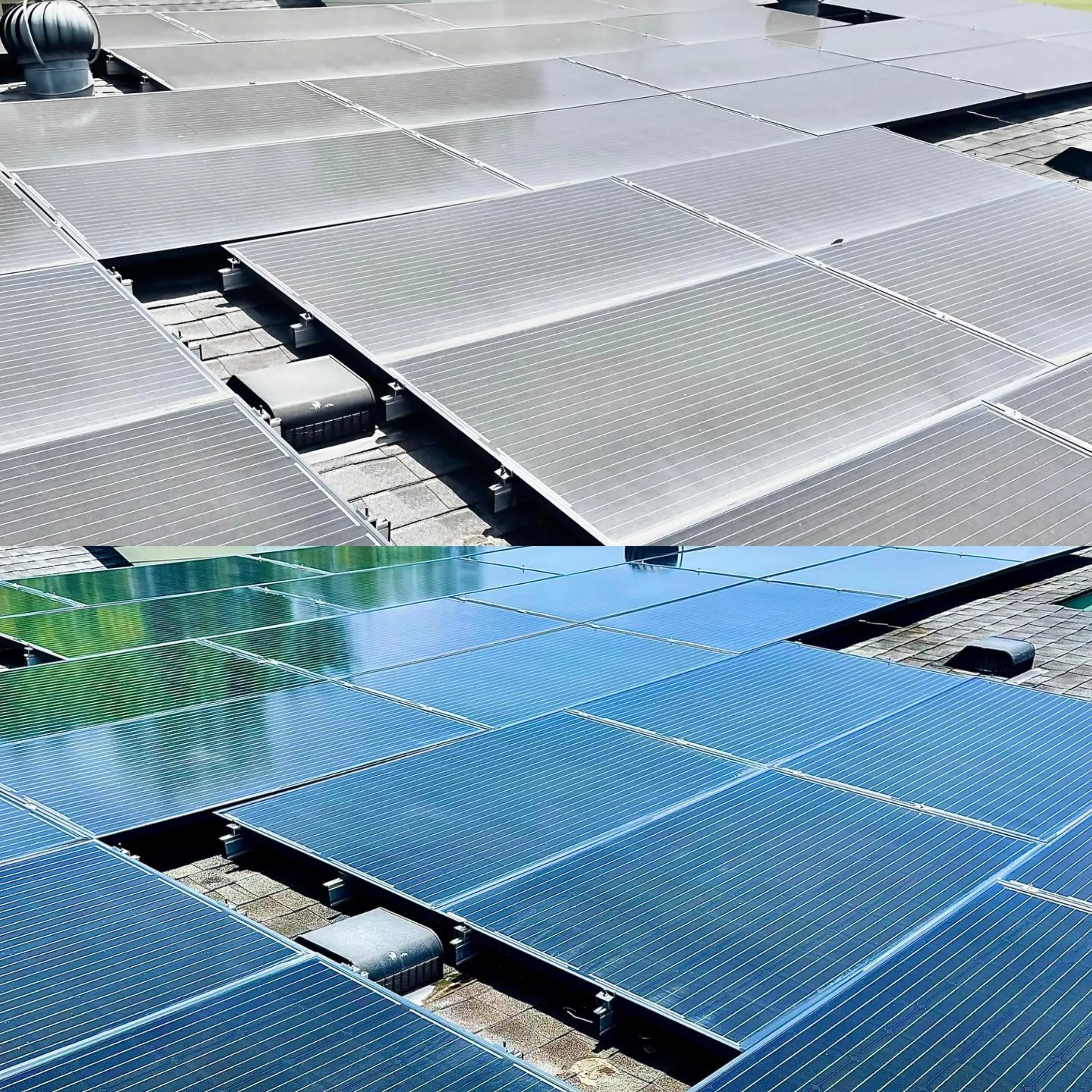
We get it, no one likes throwing money out the window on maintenance — so here are some tips to keep costs down and results up:
- Book in regular cleans: Do it once or twice a year, and keep those solar panels running at their best, and your energy costs will be nice and low
- Bundle in other services: Get it done along with gutter or window cleaning to save on labour costs
- Be a loyal customer: A lot of Australian businesses offer discounts to repeat customers for maintenance plans
- Clear the way: Make sure the driveway is clear and any tree branches are out of the way before we arrive — that saves us both time and money
- Avoid the peak season rush: Book in before summer hits and the dirt and pollen start building up and causing you to lose money on energy costs
If you’re looking for solar panel cleaning in Ashburton, getting in a pre-summer clean will really pay off come the Melbourne summer months when the sun is out in force — it’ll help you get maximum energy production and lower your electricity bills.
Why Clean Panels Pay For Themselves
Let’s get to the numbers. A dirty system can lose up to 25% efficiency, meaning your solar energy output drops and your electricity bills rise. For an average 6.6 kW system, that’s 1,300 kWh lost per year, or roughly $400–$500 of wasted savings.
Clean panels don’t just look better — they work better. Regular cleaning maintains peak efficiency, extends lifespan and helps the environment by reducing carbon footprint. It’s simple maths: clean solar panels = lower energy bills and maximum performance.
FAQ
How Often Should Solar Panels Be Cleaned?
At least once a year, or twice if you live in an area with heavy dust, pollen or animal droppings. Regular solar panel maintenance prevents long-term damage.
Is Rain Enough To Clean Solar Panels?
Not really. Rain may wash off loose dust, but leaves behind mineral streaks and doesn’t get under dirt or leaf litter.
Can I Use Dish Soap Or Tap Water?
No. Dish soap leaves residues, and tap water leaves mineral spots. Professionals use a purified water mixture with an approved solar panel cleaning solution.
Do Professional Cleaners Shut Down The System First?
Yes. We always isolate your system to follow proper safety procedures and avoid electrical hazards — standard practice in Australia.
Why Should I Use A Qualified Professional?
They follow solar panel manufacturer guidelines, use the right gear and keep your panels under warranty. Plus, pros can spot potential issues before they become safety risks.